
My Paris by the Numbers series continues this week with the 18th and 19th arrondissements. As I’ve mentioned in previous posts, there are 20 arrondissements in Paris and with this post, I have just one left; whew! The landmarks I have chosen in each neighborhood are the ones that appealed to us, so this isn’t an inclusive list of sites for each neighborhood.
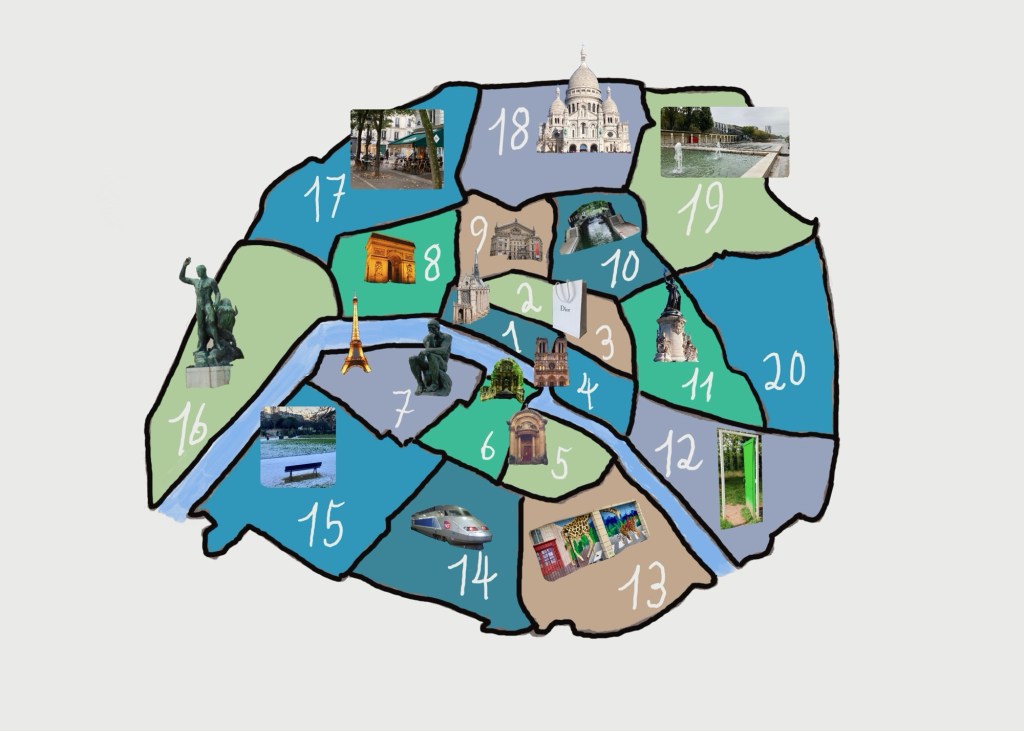
The 18th arrondissement is known as Montmartre, mountain of the martyr and is situated on the highest hill in Paris. It is located on the right bank of the River Seine, and at 430 feet (130 meters) is one of the highest points in Paris. It was incorporated into Paris in 1860. It was here that Saint Denis, the first Bishop of Paris, was decapitated by Roman authorities in the 3rd century AD.

Legend has it that after his beheading, he picked up his head and walked several miles north, preaching to onlookers as he walked, until he finally fell and died.
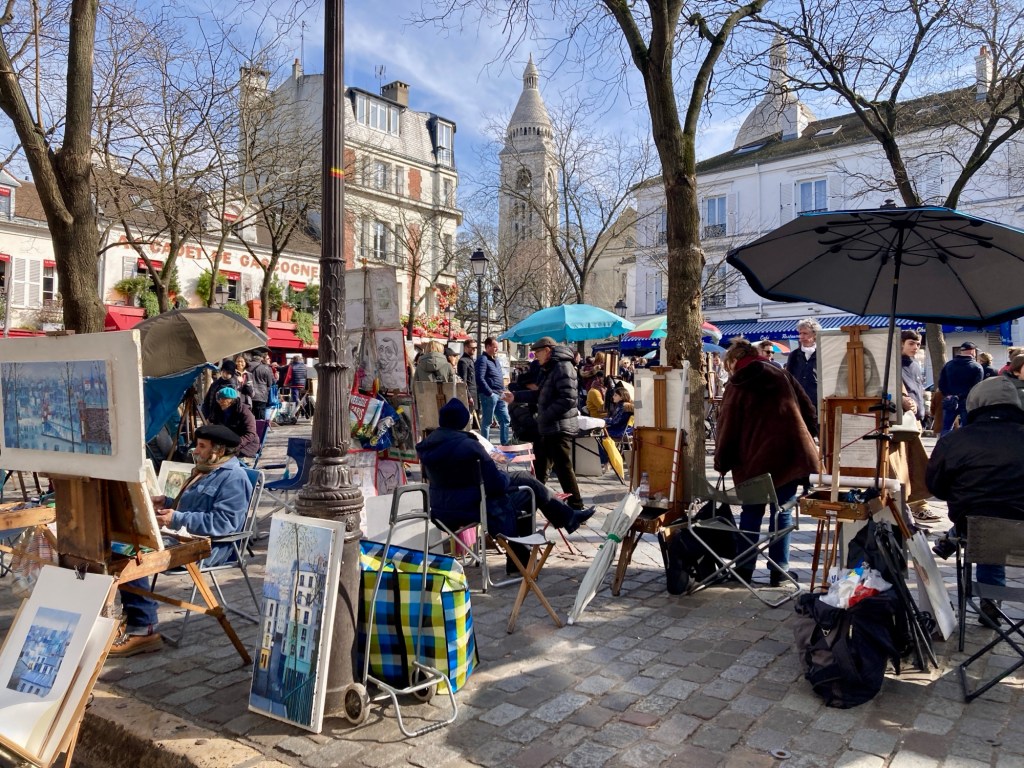
Today, Montmartre is an artistic area that was once home to Monet, Van Gogh and other famous artists. There are large groups of artists and buskers here displaying their art, performing in squares and on street corners throughout the neighborhood.

The famous Basilique du Sacré Cœur stands proudly on the top of the hill and is the only cathedral I have ever been to with a bouncer; no kidding. As I entered the building holding my camera, a large, well dressed man with a deep, booming voice said to me in his thick, French accent, “No photo!” Oui, monsieur, je suis désolé, I replied sheepishly.

The basilica was built with self-cleaning stone, called Château-Landon Limestone. No, this isn’t a joke. There is a protective layer on the stone called cullet, that secretes a white substance when it comes into contact with water, thus naturally cleaning the structure when it rains.

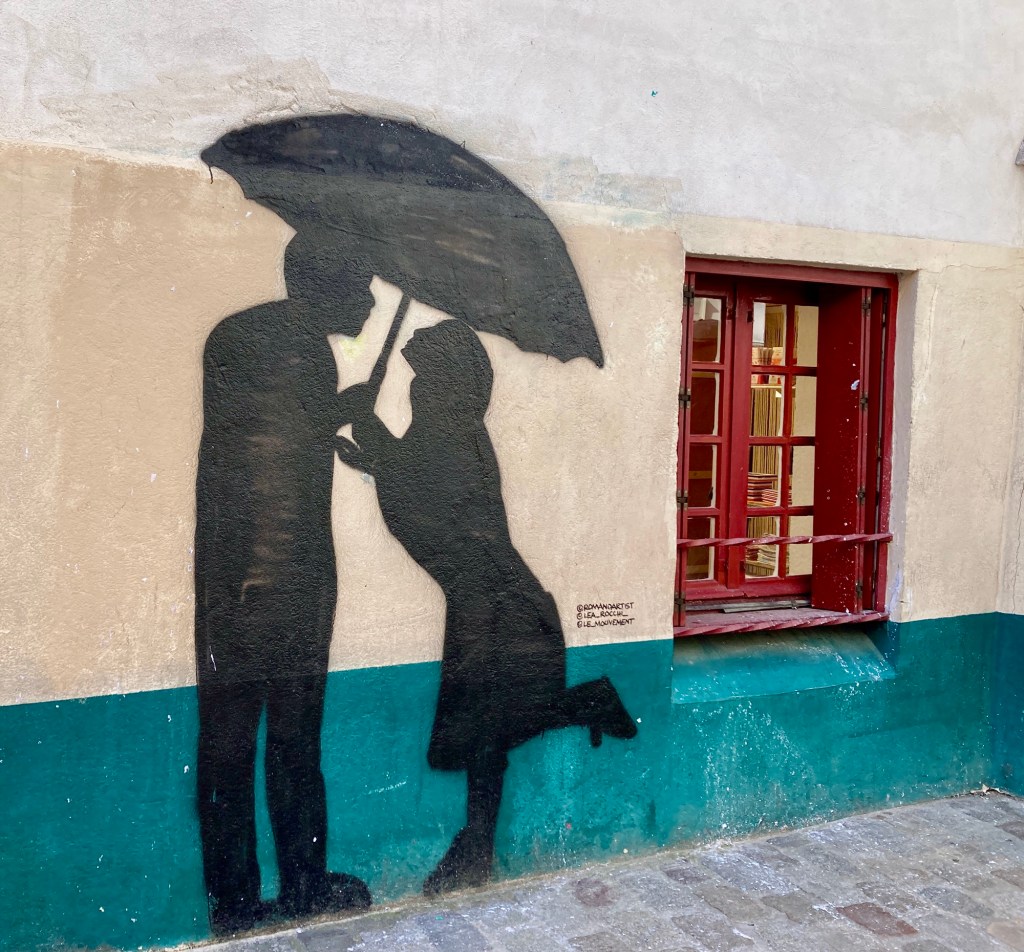
In Place Marcel Aymé, you’ll find the famous, quirky statue – Le Passe-Muraille, a man whose super-power allows him to pass through walls. This quirky statue is a quintessential part of Montmartre and its bohemian lifestyle, which we found to be quite appealing.

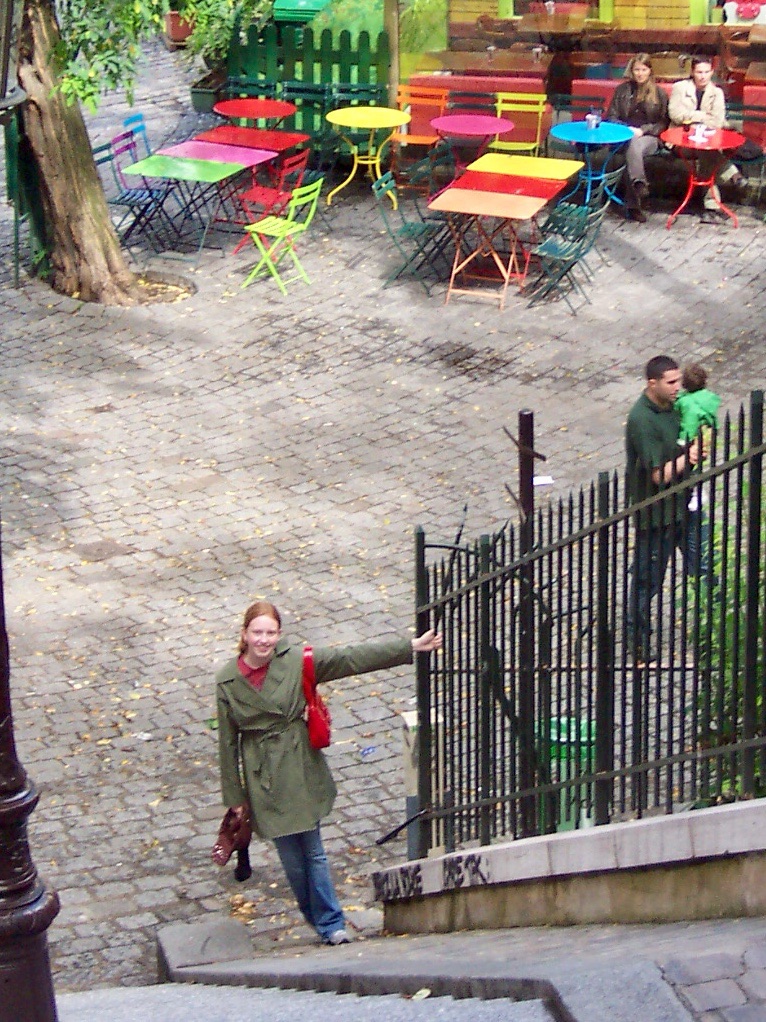


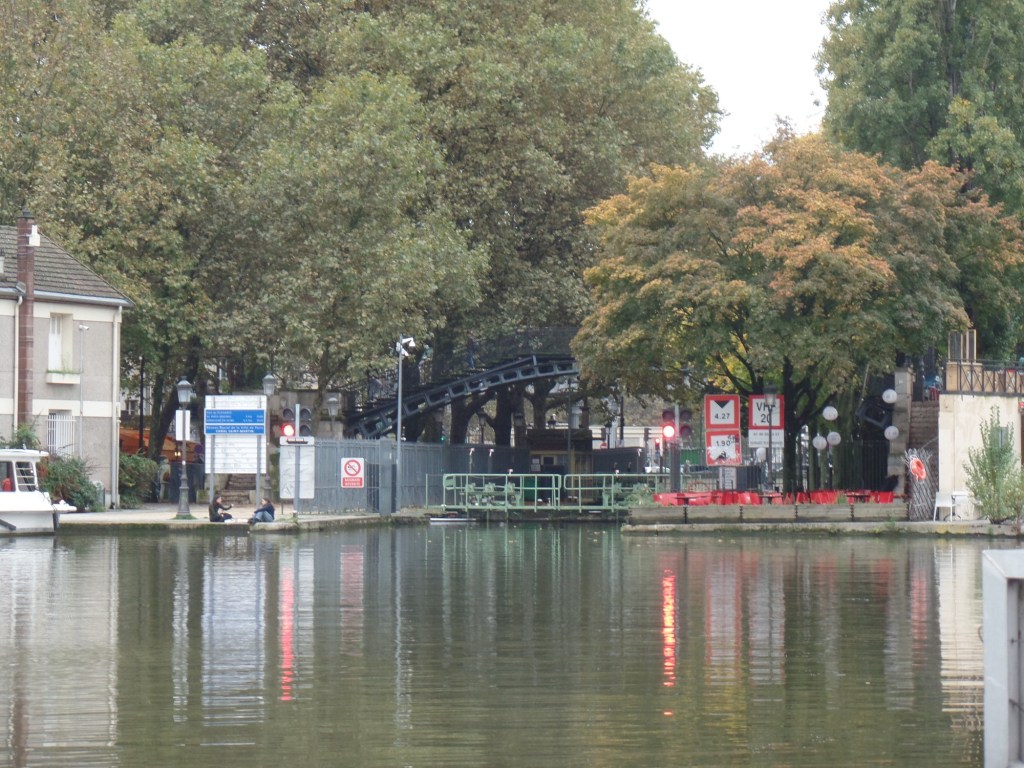
The 19th arrondissement is located on the right bank of the River Seine and was also incorporated into Paris in 1860. It is traversed by two canals; Canal de l’Ourcq and Canal de Saint-Denis. Here you’ll also find Bassin de la Villette and La Rotonde de Stalingrad.
Bassin de la Villette opened in 1808 and is the largest artificial lake in Paris. It is a large neighborhood park, popular for strolling, fishing and other leisure activities.

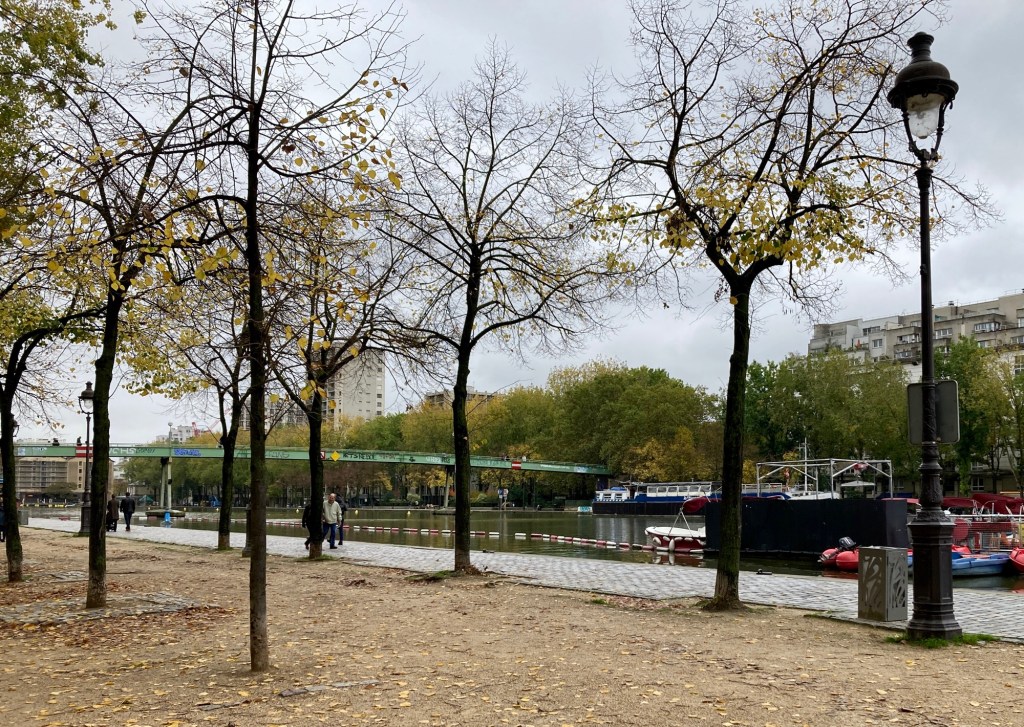
La Rotonde de Stalingrad was built during the late 17th century and was used as a tax collection point for goods entering Paris. Today it is mostly a venue for concerts and other activities.


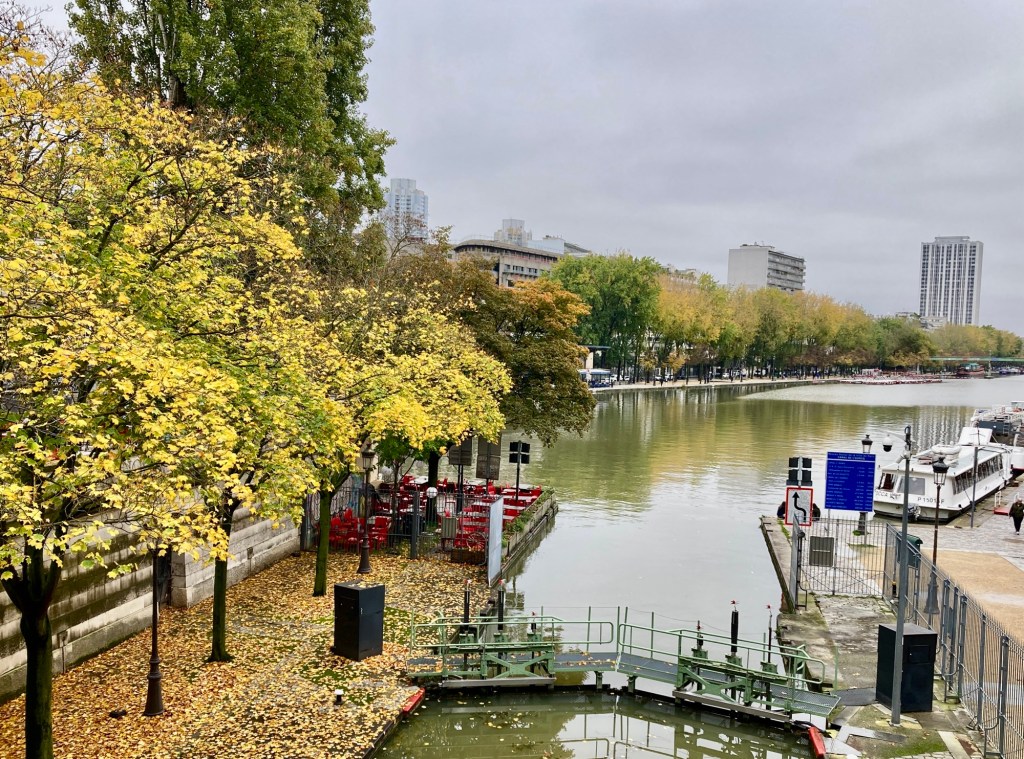
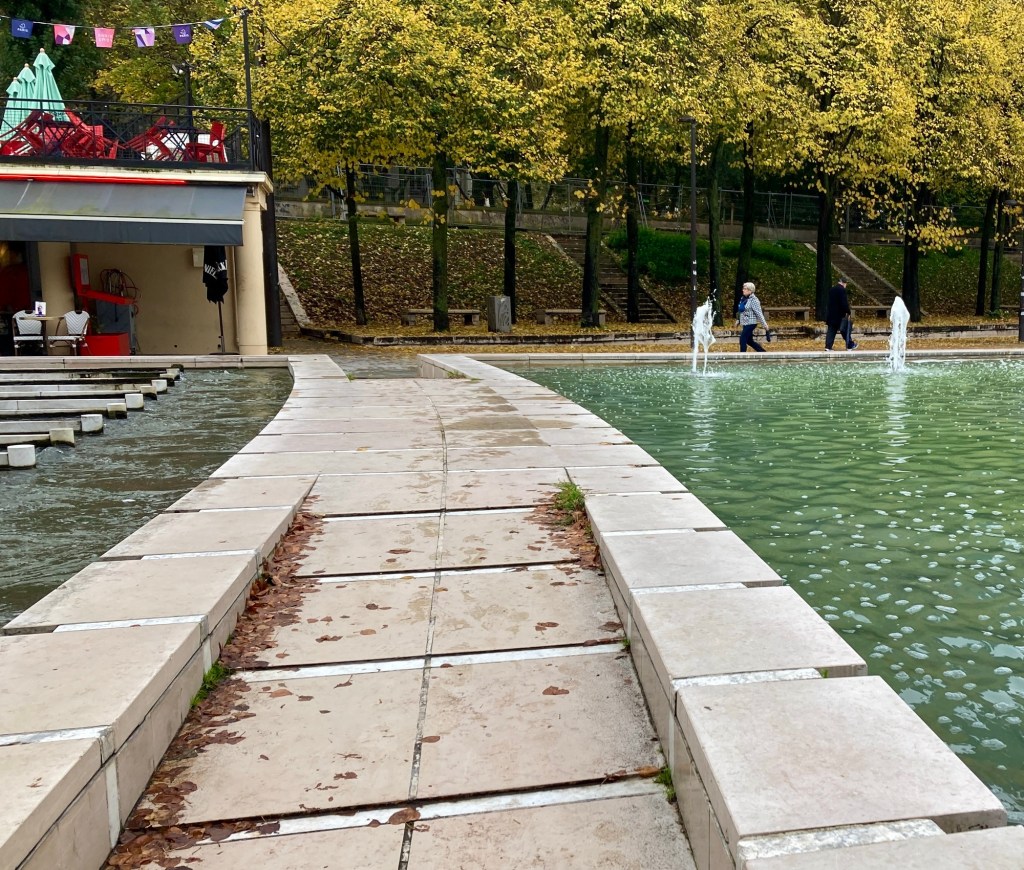
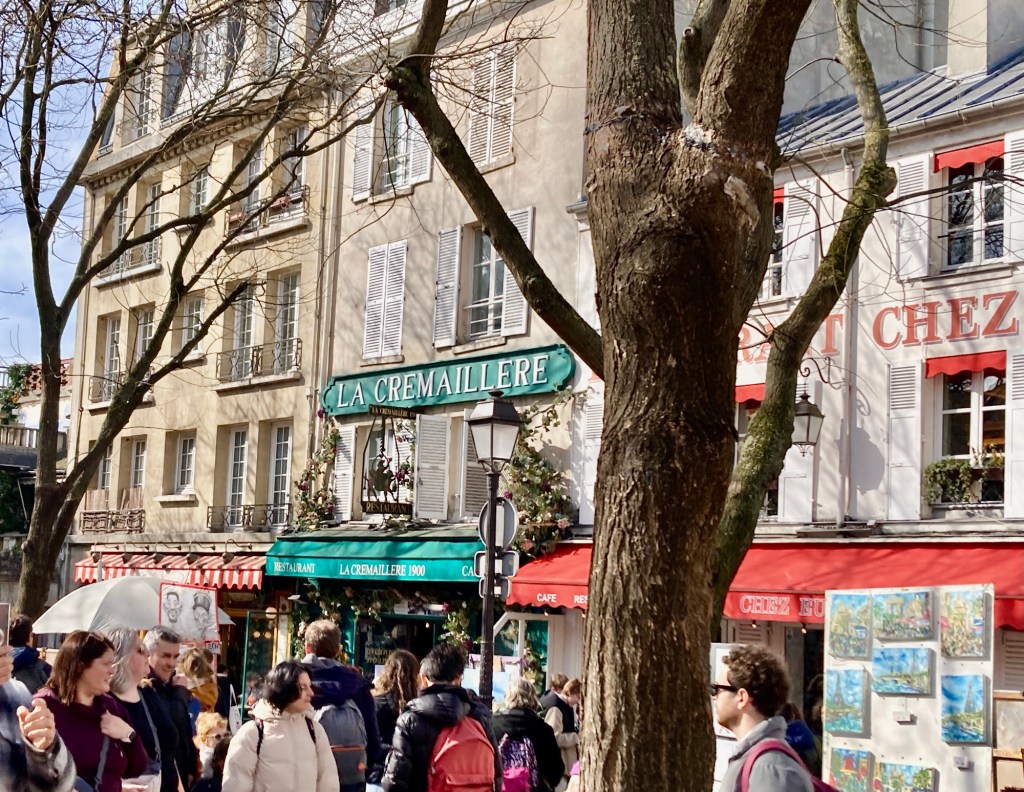
We didn’t enjoy these two arrondissements as much as some of the others. Montmartre is extremely crowded with tourists, which diminishes the atmosphere, and the 19th isn’t very ascetically pleasing. When we visited Montmartre on a weekday in February last year, it was so crowded that it was difficult to navigate through the crowd. If you’ve had a different experience, please share your thoughts.
What do you think of these two arrondissement? Only one more neighborhood to go; whew! This has been a fun series and I’m hoping you’re enjoying it as much as I am.
As always, I would love to hear from you, so feel free to leave a comment if you like.
If you’re curious about our current travels, check out theTravelsketcher’s current posts.
Wishing you grand adventures,
Tricia


Montmartre is one of my favourite areas, Tricia, but I think you’d have to be lucky to find it peaceful. Fascinating about Sacre Coeur- I always marvelled at its whiteness.
LikeLiked by 1 person
It does have its charm, but finding it on a quiet day seems like a challenge. Thanks, Jo!
LikeLiked by 1 person
I have so loved this series. I do remember one magical Christmas Eve of going to Sacre Coeur in the early evening. It was like nothing else I had ever experienced as a child before and still remember it.
LikeLiked by 1 person
Thanks so much for your kind words. That sounds like a lovely memory; I’m glad the post sparked that for you.
LikeLike
I supposed the legend might have some basis in fact. There is a chicken that did everything but the preaching:
https://www.fruita.org/mike/page/history#:~:text=Mike%20is%20a%20chicken%20who,%2C%20chicken%2C%20and%20preserving%20food.
However, I doubt the chicken’s head did much squawking either. But it is a very interesting development.
LikeLike
Lol; I’ve heard that about chickens. Thanks, Dave!
LikeLike
On our last visit to Paris Montmarte was so busy with tourists that it took some of the charm out of it. But last year when we went it felt that we had the streets to ourselves and it was wonderful. We just strolled through and enjoyed seeing the different buildings. How busy it is definitely determines the feel of that area.
LikeLiked by 1 person
How fortunate to have had the area mostly to yourselves. We thought a weekday in February would have provided the same experience, but unfortunately not. I’m sure that makes the neighborhood much more enjoyable. Thanks, Meg!
LikeLiked by 1 person
Ahh I was looking forward to the 18th, which is the area I always end up staying in when I’m in Paris. Somehow Montmartre feels like a small village or town within the city 🙂 I actually on my last couple of trips have found it to be relatively quiet – I can’t believe how different your experience was!
LikeLiked by 1 person
Meg, at Grand Misadventures had the same experience as you. I don’t know why it was so busy when we visited in February. I’m glad you had a better experience. Thanks, Hannah!
LikeLike
I agree that the 18ème arrondissement gets crowded with tourists visiting Montmartre, but there’s no denying that it’s full of bohemian charm! The 19ème is more residential, but I think it’s truly underrated, especially with its picturesque microquartier Buttes-Bergeyre. Thanks for sharing more of Paris
LikeLiked by 1 person
That’s what a lot of readers are saying. Maybe we just hit it on a particularly busy day. We’ll have to try again on our next visit to Paris. Thanks, Rebecca!
LikeLiked by 1 person
When I visited Montmartre 35 years ago in July it was busy but not crowded. Over time, that changed dramatically. The last time I visited, in March, 2011, it was bursting at the seams. I am not good with extremely crowded areas and so I left. It’s too bad as I always enjoyed the atmosphere. Your photos of it are great, though. The 19th is really more residential as I recall. Great series, Tricia. Very enjoyable.
LikeLiked by 1 person
From the comments so far, it seems to be hit and miss with the 18th. I think we’ll have to go again on our next visit to Paris. Like you, crowds are difficult for me to deal with, so I was anxious to leave too. Thanks so much, Lynette, I’m glad to hear that you’re enjoying the series.
LikeLiked by 1 person
It’s neat how Sacre Coeur was built with a self-cleaning stone. I didn’t know that. That’s crazy to hear how busy Montmartre was even though you visited during the winter on a weekday.
LikeLiked by 1 person
It’s quite amazing how the stone actually cleans itself. The cathedral is not only beautiful, but very popular too. Thanks for stopping by!
LikeLiked by 1 person
So many beautiful photos. I find that the 18th arrondissement is the best neighbourhood for city views. I love Paris and always wanted to go back for another trip but the last time I visited Paris the city was more crowded than I have ever seen. before. Nevertheless, the city’s enchantingly magical townhouses, boutiques, streets and cafes are enough to make one drool with excitement! Thanks for sharing, and have a good day 🙂 Aiva xx
LikeLiked by 1 person
Thanks so much, Aiva. It’s true that Paris is much more crowded these days, but there are still quiet places to be found. I hope you get to return someday and enjoy the magic of Paris. I hope you’re having a lovely day as well.
LikeLiked by 1 person
🥰🥰🥰
LikeLiked by 1 person
I’ve never heard of a self washing stone before. Makes you wonder why it’s not used more often. Maggie
LikeLiked by 1 person
Good point. Thanks, Maggie!
LikeLiked by 1 person
I visited Montmartre many years ago – maybe 15 or 20? I’m sure it was crowded, but I don’t remember it being heaving. It was summertime. I was shocked to read how busy you found it on a weekday in winter! Sigh.
LikeLiked by 1 person
We were shocked as well, but are willing to try again. Things change, that’s for sure. Thanks for your comment!
LikeLiked by 1 person
That statue coming through the wall reminds me of an episode of the tv show Fringe!
Lovely pictures, and looks like there’s lots to see here, too bad it was crowded.
LikeLiked by 1 person
Thanks so much, Peg. I always appreciate your comments.
LikeLiked by 1 person
It’s interesting to read about the self-cleaning stones of the cathedral. From your photos, I can tell that Montmartre can be a magnet for tourists. You know, I think every city has its popular, not so good and even less photogenic parts (I’m thinking of our own Cape Town, for example) … but yet, it’s good to see every part of a city to get a clear picture. That’s something you’ve managed very well with your series of posts on Paris.
LikeLiked by 1 person
You’re correct that it’s good to see all aspects of a city; attractive and unattractive, to get a feel for the city and how they care for the disadvantaged. Thanks so much, Corna, for your kind words.
LikeLike
Thank you!
LikeLike
Hi, I just wanted to say keep up your good work and have a nice day!
LikeLiked by 1 person